 Leaders in the Loop
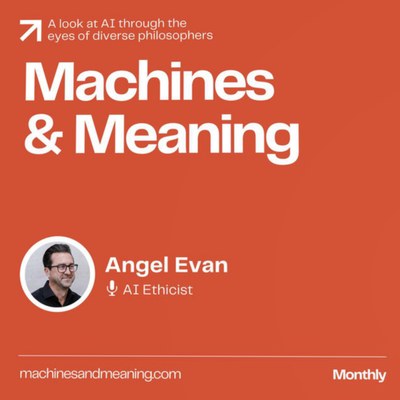
Angel Evan
AI Governance, Guardrails, and What Leaders Own
Enjoying the Show?
Subscribe for new episodes, send us feedback, and share it with someone who'd like it.
On This Episode

Angel Evan
Angel is an AI Ethicist and the AI Practice Lead at AG Consulting Partners, holding an MSc in Data and Artificial Intelligence Ethics from the University of Edinburgh. Angel is first and foremost an AI practitioner. He is committed to working in the trenches where critical AI decisions get made, helping organizations manage the trade-offs that come with turning theory into practice. His expertise sits at the intersection of AI governance and complex, high-stakes environments, where competing priorities, regulatory demands, and human judgment often collide. Working directly with enterprise clients, he helps build specialized teams and develop AI-powered products, including agentic systems and operational planning tools, guiding organizations from ambitious AI goals to responsible, effective implementation. He hosts Machines & Meaning, a podcast examining how AI and technology are reshaping the practice of work, and speaks regularly on AI literacy and organizational change.
Episode Highlights
- Train for the gap, not the trend
Angel's most effective AI training targets specific, real skill gaps and puts hands-on practice at the center. Theory and practice complement each other, but for AI the weighting should lean toward applied skills.
- Governance is about values as much as rules
People come to the table with different views on adopting new technology. Good governance resolves those competing values, and it is right-sized: enough to keep people safe, but not so much that the organization "suffocates under the weight of its own bureaucracy."
- Risk lives in the gap between adoption and governance
Innovation and adoption move fast. Governance is usually the slowest and most reactive of the three speeds. Angel argues governance needs to become more proactive and work more like an engineering team.
- Accountability needs names in boxes
Responsible AI principles stay theoretical until they're put into practice. Angel's approach maps known risks to defensive controls and assigns real people through a RACI matrix: "That's real accountability at a practical, non-theoretical level."
- Put the human in the loop at the beginning, not just the end
Before an agent is built, someone should ask whether there is a real business case, what the risk profile looks like, and roughly what it will cost in tokens.
- Ethics works best as an emulsion
Instead of a "rules and tools" approach, Angel argues for ethical thinking built into everyday decisions. That means asking whether everyone affected has a voice and examining the full range of outcomes, not just the ones we want.
- Critical thinking means checking the Pez dispenser
Getting answers from AI is almost too easy. Angel's two questions: if this is wrong, could I spot it? And if it's right, do I know why? Alongside critical thinking, he names emotional intelligence and empathy as durable, transferable skills, and warns against training that leans too far toward any one kind of skill.